Featured Review · PetaPixel · EVO Portrait Primes
PetaPixel Reviews the Viltrox EVO 75mm F1.8 and 90mm F2.2
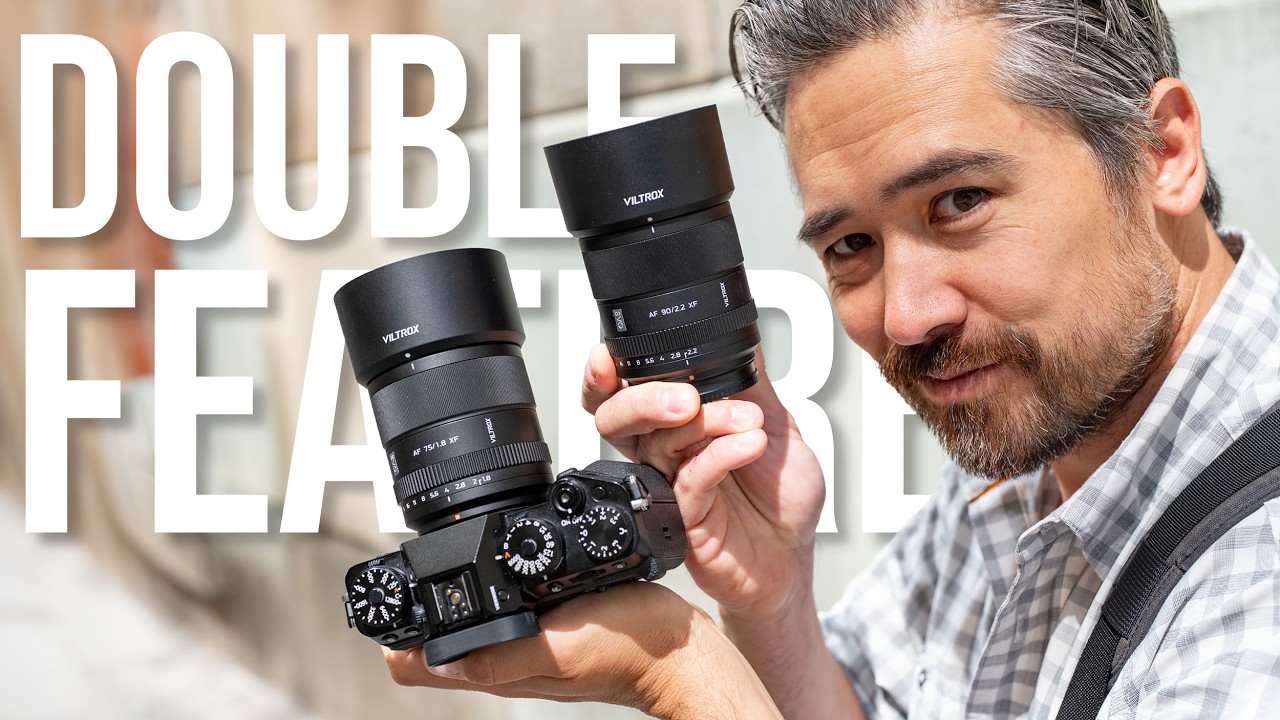
PetaPixel put the Viltrox AF 75mm F1.8 EVO and AF 90mm F2.2 EVO side by side to see how these two compact APS-C portrait primes compare in real-world use. The result is a practical guide for creators choosing between flexible portrait framing and stronger telephoto compression.
Review Overview
Two Compact EVO Portrait Primes, One Practical Choice
The Viltrox EVO 75mm F1.8 and 90mm F2.2 are made for APS-C creators who want telephoto portrait rendering without carrying a large full-frame lens. In PetaPixel’s review, the two lenses are described as strikingly similar in many ways, making the final decision less about image quality and more about focal length preference.
What PetaPixel Compared
The review looks at the two EVO lenses across build quality, handling, aperture control, sharpness, autofocus, bokeh, close-focus behavior, and overall shooting experience. Both lenses share a compact design direction, making them easy to carry for portraits, street shooting, lifestyle work, and travel.
Review Focus
- 75mm F1.8 EVO: more flexible framing and brighter aperture
- 90mm F2.2 EVO: tighter view with stronger portrait compression
- Shared concept: compact APS-C telephoto portrait performance
- Target users: portrait, street, travel, and lifestyle creators
Compact Build
Both lenses are designed to stay portable, with compact bodies, shared 58mm filter threads, and rubber-sealed mounts.
Sharp Wide Open
PetaPixel highlights strong wide-open performance, making both lenses practical for portraits at maximum aperture.
Smooth Bokeh
Both lenses are built for subject isolation, with smooth background rendering for portrait and detail shots.
Focal Length Choice
The key difference is perspective: 75mm feels more flexible, while 90mm gives a tighter, more compressed look.
Review Highlights
Performance That Feels Surprisingly Close
PetaPixel’s main takeaway is that the 75mm and 90mm EVO lenses are extremely close in everyday use. Both offer bright apertures, compact handling, and impressive sharpness for APS-C camera systems.
The 75mm F1.8 EVO is the more versatile option for photographers who want an everyday portrait prime with easier framing. The 90mm F2.2 EVO is better suited for creators who prefer tighter portraits, stronger background compression, and a more refined telephoto look.
The choice is not about which lens is clearly better. It is about whether your shooting style fits 75mm flexibility or 90mm compression.
Sample Image Breakdown
What the EVO 75mm and 90mm Look Like in Real Images
To better show the differences between the two lenses, we selected sample scenes that highlight flexible portrait framing, tighter telephoto compression, wide-open sharpness, smooth bokeh, and backlit shooting performance.

Flexible Portrait Framing
The 75mm F1.8 EVO gives APS-C creators a 112.5mm-equivalent view that feels flexible for portraits, street scenes, and lifestyle details. It keeps enough working distance while still allowing more environmental context than a tighter telephoto lens.

Tighter Compression
The 90mm F2.2 EVO gives a 135mm-equivalent view on APS-C, creating a more compressed portrait look. It helps simplify busy backgrounds and brings the subject forward with a cleaner telephoto perspective.

Smooth Background Blur
Wide apertures and telephoto framing help both lenses create smooth subject separation, making portraits feel clean and focused.

Strong Wide-Open Sharpness
Use a face, eye, hair, fabric, or product-detail crop here to show the strong resolving power at maximum aperture.

Controlled Flare
Add a backlit portrait, leaves, or sunlight-in-frame sample to show contrast retention and flare control in bright conditions.
75mm vs 90mm
Which EVO Lens Should You Choose?
Both lenses are compact APS-C telephoto primes with a similar design philosophy. The 75mm offers a wider and more flexible portrait view, while the 90mm gives a tighter frame and stronger subject-background separation.
AF 75mm F1.8 EVO
- 112.5mm-equivalent view on APS-C
- Bright F1.8 aperture for soft bokeh
- ≈355g compact design for everyday carry
- 0.74m minimum focusing distance
- Good for portraits, lifestyle, street, and travel details
AF 90mm F2.2 EVO
- 135mm-equivalent view on APS-C
- F2.2 aperture for smooth separation
- ≈345g compact telephoto design
- 0.74m minimum focusing distance
- Good for headshots, compressed portraits, and distant details
Creator Use Cases
Built for Portraits, Street Details, and Lightweight Telephoto Work
Portraits
Use either lens to create flattering subject separation, strong facial detail, and smooth background blur on APS-C cameras.
Street Photography
The 75mm gives a more flexible working distance, while the 90mm helps simplify backgrounds and isolate distant subjects.
Travel
Both lenses stay compact enough for everyday carry, making them useful for creators who want reach without a heavy kit.
Hybrid Creators
STM autofocus, compact handling, and simple physical controls make the EVO duo practical for stills-first creators who also shoot video.
Lens Notes
Shared EVO Design, Two Telephoto Perspectives
The EVO 75mm and 90mm complete a lightweight APS-C portrait pairing. Both lenses follow the EVO series’ compact design language while offering different ways to frame portraits and everyday telephoto scenes.
EVO Portrait Pairing
Choose Your Portrait Perspective
Pick the 75mm F1.8 EVO if you want a flexible APS-C portrait lens. Choose the 90mm F2.2 EVO if you prefer tighter framing and stronger compression.
Discussion
Comments (0)
No approved comments yet.